Gaza patients facing death as Israel continues to block medical supplies
 23 December 2025
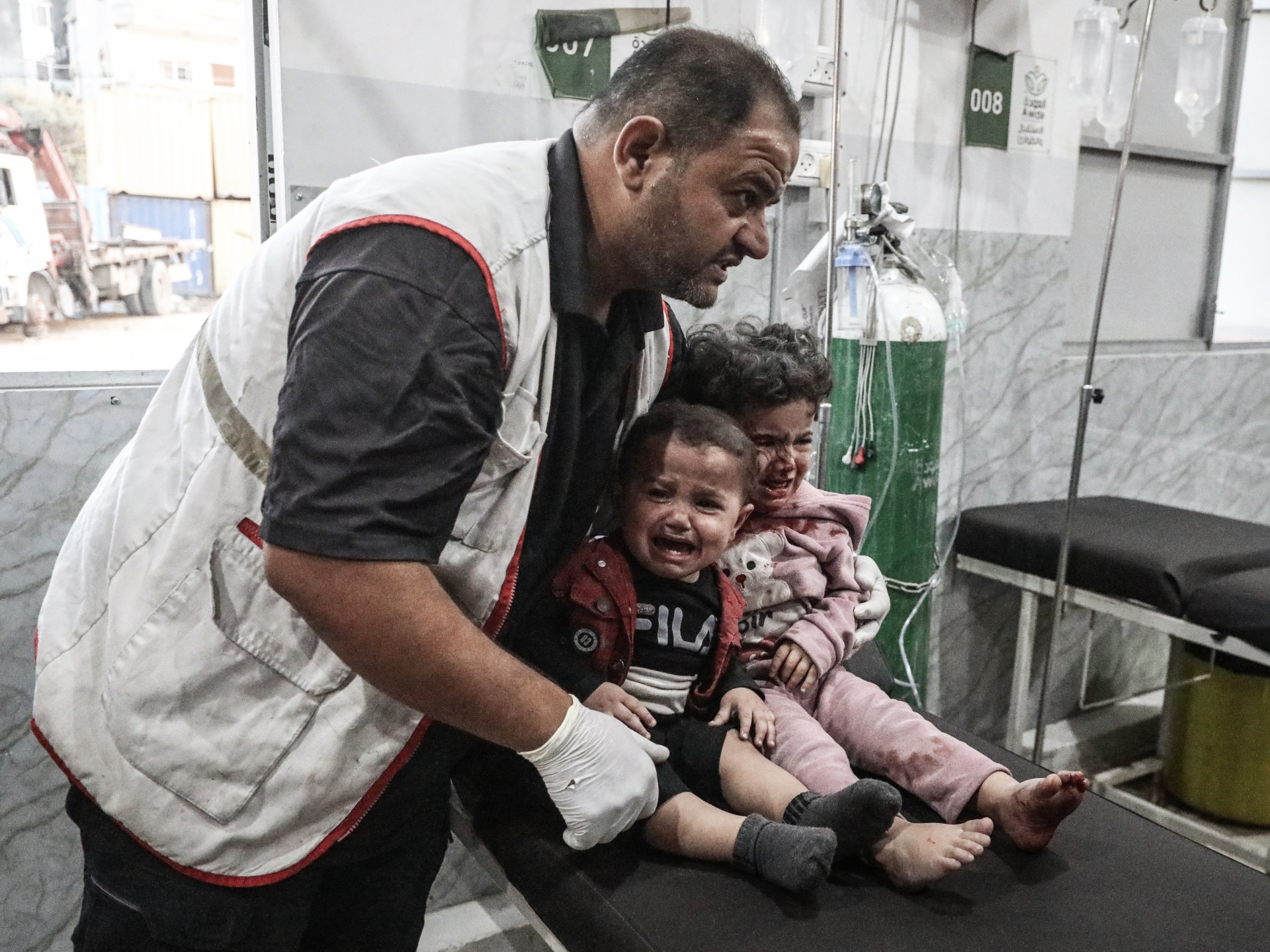

Gaza’s health system is on the brink of an unprecedented collapse, with thousands of patients facing death or disability amid a harsh Israeli siege on the enclave, a top health official has warned.
Munir al-Barsh, director-general of Gaza’s Ministry of Health, told Al Jazeera on Tuesday that the situation inside the territory’s hospitals was “tragic and horrific”, as Israeli authorities continued to block the flow of much-needed medical supplies, directly impacting the ability of doctors to respond to critical cases.
- list 1 of 4No essential supplies in truce: Gaza’s healthcare system broken by Israel
- list 2 of 4Gaza doctors use 3D tech to save limbs shattered by Israel from amputation
- list 3 of 4MSF urges Israel to let critical aid into Gaza as children freeze to death
- list 4 of 4‘Alarming’ medicine shortages in Gaza amid Israeli restrictions
end of list
Doctors in war-ravaged Gaza have long warned that their efforts to save lives are being badly hampered by Israel’s refusal to allow the most essential medical supplies in. Despite a United States-backed ceasefire that took effect in October, Israel continues to violate its agreement with Hamas by failing to allow in agreed quantities of medical aid trucks, deepening what the Health Ministry has described as a critical and ongoing health emergency.
Al-Barsh said the health system was suffering from widespread shortages of medicines and medical supplies, particularly surgical consumables needed to perform operations.
He said nearly three-quarters of the supplies needed were unavailable, with severe shortages of solutions, anaesthetics, gauze and dialysis supplies, while power outages and a significant shortage of generators were also hampering their work.
The situation was the most dangerous seen since the establishment of the Palestinian Authority more than 30 years ago, he said.
Advertisement
During Israel’s genocidal war, which has spanned more than two years, nearly all of Gaza’s hospitals and healthcare facilities have been attacked, with at least 125 health facilities damaged, including 34 hospitals. Israel killed more than 1,700 health workers during its brutal war. Israel continues to hold 95 Palestinian doctors and medical workers, including 80 from Gaza.
Al-Barsh said it was not only those wounded by Israeli aggression who were impacted as a result of the situation.
Some 4,000 glaucoma patients were facing the risk of permanent blindness due to a lack of treatment options, while nearly 40,000 displaced pregnant women were living in substandard shelters, jeopardising their health and that of their unborn children.
Meanwhile, he warned, an estimated 320,000 children below five years were at risk of malnutrition, amid a worsening humanitarian situation caused by Israeli curbs on aid desperately needed in the enclave.
While a system was in place for transporting patients outside Gaza for treatment, waiting lists were long, and patients were dying while awaiting medical attention.
Al-Barsh said at least 1,156 patients had died while waiting for permission to travel for treatment, a “lengthy and complex” mechanism that saw referrals from doctors in Gaza assessed by the World Health Organization (WHO) before being referred to Israeli authorities for security approval.
He said nearly 20,000 patients in Gaza were on waiting lists for travel, with some 18,500 having been approved by the WHO, and about 3,700 were in critical condition.
About 4,300 children were among those awaiting transfers out of the territory, he said.
He demanded that Israel open border crossings immediately to allow the flow of much-needed humanitarian supplies and permit the transport of thousands of critical patients for treatment, warning any further delays could cost lives.
About 71,000 Palestinians have been killed and more than 171,000 wounded in attacks in Israel’s genocidal war on Gaza since October 2023.
Related News

Republicans defy House leadership to force vote on healthcare subsidies
Ukraine reports large Russian mechanised assault in battle for Pokrovsk
Tracking Sudan’s humanitarian crisis: By the numbers