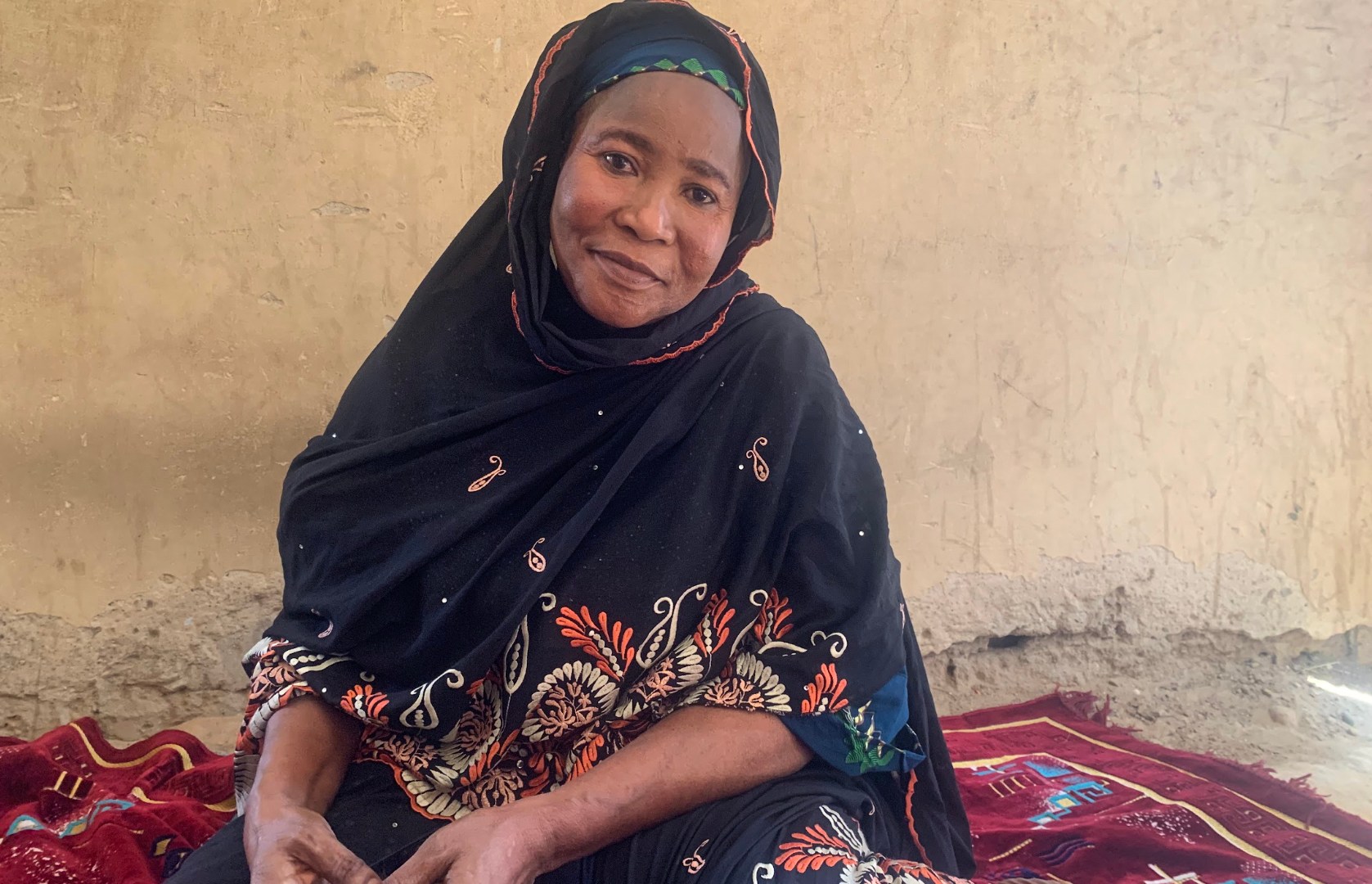

Maiduguri, Nigeria – Mohammed Abdulhamid raises what remains of his fingers to greet passers-by outside his home in Ajilari, a neighbourhood on the edge of Maiduguri in northeastern Nigeria.
The gesture is awkward. Most of the fingers on his right hand were mutilated during a gang attack in 2023, a permanent reminder of a life he says was consumed by violence.
He no longer remembers his age. But he remembers that evening.
“The gang that attacked me were taking revenge, and just like how the breeze blows every tree leaf, I can’t remember how many people I have also attacked before that evening,” Mohammed told Al Jazeera.
Unable to return to his work as a contract carpenter, Mohammed now spends his days trying to stop teenagers from making the same choices he did.
“Having understood the consequences, I now ensure our younger ones stay away from fighting because it’s difficult to leave once you get into it,” he says.
For years, youth gangs known locally as “Marlians” have terrorised neighbourhoods across Maiduguri and neighbouring Jere. Armed with knives, axes, machetes and locally made weapons, rival groups fought over territory, leaving residents trapped between fear and retaliation.
The violence escalated to the point that in 2023, Borno State Governor Babagana Umara Zulum ordered a widespread crackdown on the gangs after a series of deadly clashes. As the groups grew, residents accused members of using commercial tricycles to snatch phones, ambush passengers and carry out robberies across the city.
Advertisement
But in communities shaped by more than a decade of conflict and displacement, an unlikely peace effort has emerged. Instead of relying solely on arrests and security crackdowns, local women, community leaders and former gang members are attempting to persuade young men to walk away from violence.
Analysts and community leaders trace the violence to deeper wounds left by years of war. Borno is the birthplace of the Boko Haram rebellion, which has ravaged northeastern Nigeria for more than a decade. The United Nations estimates that the conflict has killed more than 35,000 people and displaced over two million throughout the Lake Chad region.
“We see youth heavily involved in illicit drugs and petty crimes, which then mature into full-blown gangsterism,” explains Hassana Ibrahim Waziri, the Executive Director of Unified Members for Women Advancement (UMWA). “They have grown up in an environment of violence simply because they have seen it occur constantly since they were very young children.”
Winning over the gangs
The breakthrough, community leaders say, came when they stopped treating gang members solely as a security problem.
From 2018 to 2021, UMWA, with support from Conciliation Resources, began holding regular dialogue sessions with gang leaders in 10 volatile communities.
“We held bi-weekly conversations with them, making them understand they could do better things to have a sustainable future,” says Waziri.
Rather than focusing on punishment, organisers sought to convince influential gang leaders that they could become advocates for peace inside their own neighbourhoods.
While security forces pursued arrests, women in some of Maiduguri’s most volatile neighbourhoods began tackling a harder challenge: changing minds.
Grassroots groups including the Ajilari Cross Development Association and the Gomari Development Association expanded the dialogue effort through community mediation, persuading rival gangs to settle disputes before they turned deadly.

“Once-feared gang members have retired from violence,” says Bulama Babangida, a community leader overseeing the initiative in Ajilari. “We have trained local women who now run weekly peace awareness programmes on Sundays for these gangs and collaborate with state security actors to handle disputes before they become fatal.”
Fatima Tahir, a women’s leader with the Gomari Development Association, said the initiative initially faced resistance from men in the community. But attitudes shifted as residents saw how women could help defuse tensions that often spiralled into bloodshed.
Advertisement
“I was tasked to mobilise women, train them, and look after youth to ensure peace across the Gomari and Bulunkutu areas. I also placed women representatives in various neighbourhoods to oversee dialogue engagements between different rival gangs,” Tahir told Al Jazeera.
Community leaders estimate that more than 1,000 gang members have passed through the dialogue circles, though that figure could not be independently verified.
Some of the women work quietly behind the scenes, tracking emerging disputes, monitoring areas associated with drug use and passing information to community leaders, the police, the military and the Civilian Joint Task Force (CJTF) before tensions become violent.
Leaving violence behind
Mohammed was among those who changed course.
The dialogue sessions forced him to confront the suffering gang violence inflicted on families, including his own. As his reputation shifted from feared fighter to advocate for peace, fellow youths chose him to lead a group of former gang members who had formally renounced violence.
He says many stopped fighting after learning the benefits of peace and developing a renewed respect for community elders.

Ma’aji Abba, a 27-year-old former gang member from Gomari, believes outsiders often misunderstand why young people join gangs in the first place.
“Many people say we join these gangs because of unemployment, but to me, that’s not the root cause,” Abba explains to Al Jazeera, weeks after his release from prison in May. “The problem is deeply embedded in the environment where we grew up. When you grow up in a place where communities are constantly clashing, you will naturally join the fight, even if you don’t know why people are fighting.”
Now trying to rebuild their lives, both men face uncertain futures.
Abba hopes to raise enough money to start a clothing business. Mohammed, meanwhile, struggles with the permanent injuries to his hand, injuries that ended his career as a carpenter and continue to limit his ability to earn a living.
A peace under pressure
Yet the gains remain fragile.
Several former gang members told Al Jazeera that abandoning violence offers little protection from old enemies. Some say they continue to face threats from rival neighbourhoods seeking revenge for past attacks.

Without a formal reintegration framework, community leaders fear some former gang members could drift back into violence.
At the same time, dwindling donor funding has left many mediation initiatives struggling to survive. In some cases, organisers say they pay for meetings and outreach efforts from their own pockets.
Peacebuilders such as Waziri believe repairing the damage caused by years of conflict requires patience and persistence.
“If one has peace within themselves, they can spread it across their communities,” she said. “That’s why we have to help these young people create their own peace, so that the entire society can benefit from it.”
Advertisement
Related News

Are UK Prime Minister Keir Starmer’s political days numbered?

Trial begins for man accused of sparking Palisades Fire in California
Maine’s Platner faces test as four US states hold midterm primary votes