
Proposed sanctions aim to curb Russian crypto financing and ‘propaganda’ in sports.
The European Commission has proposed new sanctions against Russia targeting its banks, crypto platforms, and participation in sporting events.
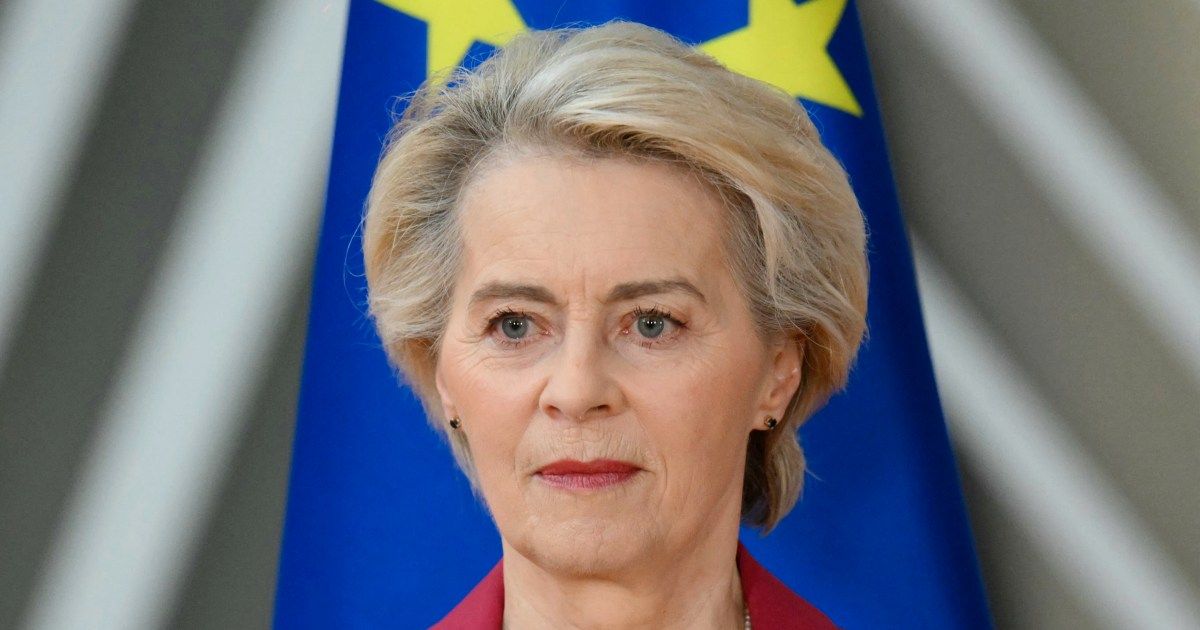
Commission chief Ursula von der Leyen introduced the 22nd package of sanctions on Monday, which includes a ban on Russian teams and individual athletes competing under the country’s flag at events in the European Union.
- list 1 of 4Far from Trump-Putin meeting, Europe to count cost of Ukraine’s defence
- list 2 of 4Kushner says Russia OK with ‘NATO-like’ security pact for Ukraine: Is it?
- list 3 of 4Russian cargo ship leaves Finland’s territorial waters after drone attack
- list 4 of 4Ukraine claims drone strikes on Russian ships off Libya: What do we know?
end of list
“We are striking harder at Russia’s ways to finance its war, by targeting its banks and crypto platforms,” von der Leyen wrote in a post on X, adding that the EU will be “shutting the door to its participation in European sports and cultural events”.
Economic pressure
Von der Leyen said 60 banks will be removed from the Society for Worldwide Interbank Financial Telecommunication (SWIFT) messaging system used for international payments under the new proposals, which are intended to maintain economic pressure on Russia, almost five years into its full-scale invasion of Ukraine.
She announced the creation of a crypto sanctions task force seeking to curb countries helping Russia to evade sanctions.
The commission also proposed a ban on visas for Russians who had fought in the war in Ukraine.
“Russian ex-combatants pose a security risk to Europe. They cannot be allowed to wander freely across our countries,” von der Leyen said.
‘Propaganda activities’
The plan also put forward restrictions on financial flows from Russian sponsors to sports and cultural associations based in the EU. Russian nationals would also no longer be allowed to hold leadership positions on the governing bodies of sports federations.
Advertisement
“Sports events cannot be a forum for propaganda activities,” said von der Leyen.
The proposed package must be endorsed by all 27 EU member countries before going into force and comes just over a month after the bloc posted the largest listing of sanctions against Russia, targeting about 1,600 Russian officials and companies linked to its arms industry.
The EU has already slapped sanctions on more than 4,200 people and entities, including Russian President Vladimir Putin and several energy companies.
Related News
Anti-austerity strike spurs transport chaos across Belgium
High voter turnout among Palestinian citizens of Israel threatens Netanyahu
FAA ground stop lifted: Why were US flights grounded, and what’s next?