
Iran’s top judge warned protesters who have taken to the streets during a spiralling economic crisis there will be “no leniency for those who help the enemy against the Islamic Republic”, accusing the US and Israel of sowing chaos.
“Following announcements by Israel and the US president, there is no excuse for those coming to the streets for riots and unrest,” said Chief Justice Gholamhossein Mohseni Ejei on Wednesday in comments on the deadly protests carried by Fars news agency.
- list 1 of 4Iran’s New Year demonstrations and the question of regime survival
- list 2 of 4Protests grow as Iran’s government makes meager offer amid tanking economy
- list 3 of 4Timeline of protests in Iran after the 1979 Islamic revolution
- list 4 of 4Sporadic protests in Tehran as riots reported in Iran’s west
end of list
Amid growing unrest, Iran is under international pressure after US President Donald Trump threatened last week that if Tehran “violently kills peaceful protesters, which is their custom, the United States of America will come to their rescue”.
His threat – accompanied by an assertion that the US is “locked and loaded and ready to go” – came seven months after Israeli and US forces bombed Iranian nuclear sites in a 12-day war.
Additionally, Israeli Prime Minister Benjamin Netanyahu backed the protesters on Sunday, telling ministers, “It is quite possible that we are at a moment when the Iranian people are taking their fate into their own hands.”
Following Ejei’s warning, Iran’s army chief threatened preemptive military action over the “rhetoric” targeting Iran.
Speaking to military academy students, Major-General Amir Hatami – who took over as commander-in-chief of Iran’s army after a slew of top military commanders were killed in Israel’s 12-day war – said the country would “cut off the hand of any aggressor”.
Advertisement
“I can say with confidence that today the readiness of Iran’s armed forces is far greater than before the war. If the enemy commits an error, it will face a more decisive response,” said Hatami.
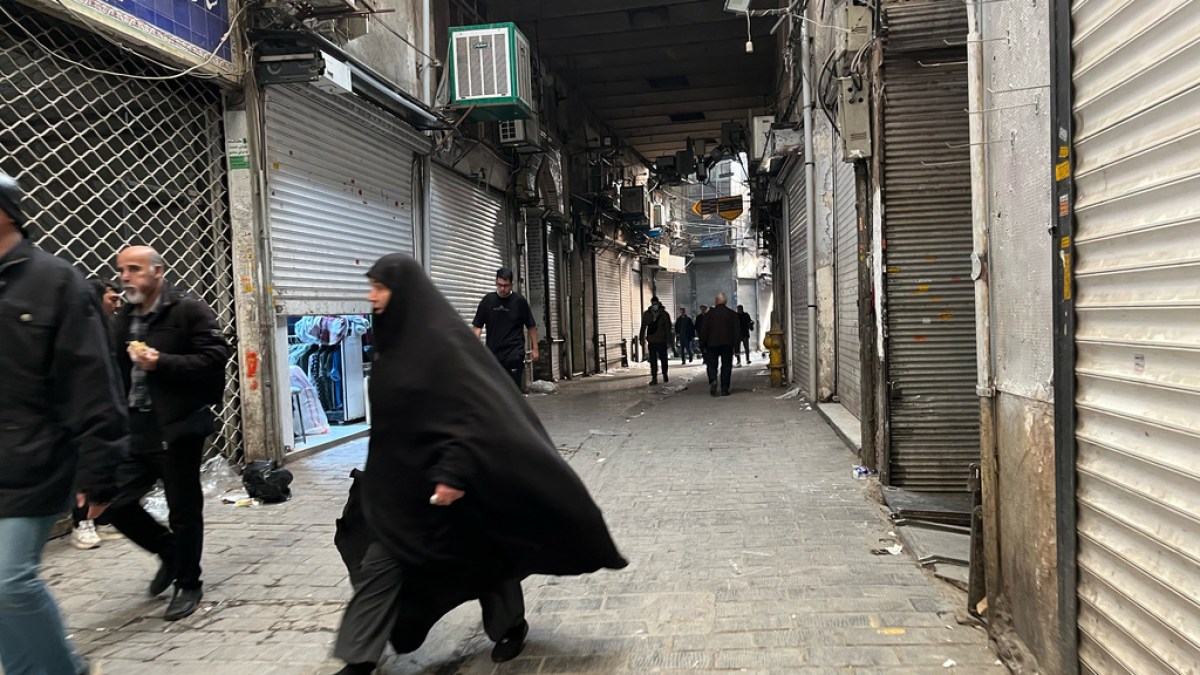
The nationwide demonstrations, which have seen dozens of people killed so far, ignited at the end of last month when shopkeepers in Tehran’s Grand Bazaar shuttered their businesses in anger over the collapse of Iran’s rial currency, against a backdrop of deepening economic woes driven by mismanagement and punishing Western sanctions.
The Iranian state has not announced casualty figures. HRANA, a network of human rights activists, reported a death toll of at least 36 people as well as the arrest of at least 2,076 people. Al Jazeera has been unable to verify any figures.
Iranian Supreme Leader Ayatollah Ali Khamenei promised not to “yield to the enemy” following Trump’s comments, which acquired added significance after the US military raid that seized Venezuelan President Nicolas Maduro, a longtime ally of Tehran, over the weekend.
Seeking to halt the anger, Iran’s government began on Wednesday paying the equivalent of $7 a month to subsidise rising costs for dinner-table essentials such as rice, meat and pasta – a measure widely deemed to be a meagre response.
“More than a week of protests in Iran reflects not only worsening economic conditions, but longstanding anger at government repression and regime policies that have led to Iran’s global isolation,” the New York-based Soufan Center think tank said.
Related News
Israel kills over 700 relatives of Palestinian journalists in Gaza: Report
Train derails in southern Mexico, killing 13 and injuring dozens
US bombs target ISIL in Nigeria: What’s really going on?