
Japan is set to resume operations at the world’s largest nuclear power plant: Kashiwazaki-Kariwa.
The partial restart of the plant got the green light in a vote on Monday by the Niigata local government. Japan has reopened several nuclear facilities as it seeks to reduce emissions, reversing policy 15 years after 54 reactors were shut in the wake of the Fukushima disaster despite public opposition.
- list 1 of 4Japan resumes seafood exports to China after ban over Fukushima wastewater
- list 2 of 4Magnitude 7.5 earthquake in north Japan injures 23 people
- list 3 of 4Trump Media to merge with nuclear fusion company to power AI
- list 4 of 4Rogue tankers off Singapore: What are shadow fleets and who uses them?
end of list
Niigata prefecture’s assembly passed a vote of confidence on Governor Hideyo Hanazumi, who backed the restart last month, effectively allowing the plant to begin operations again.
The 2011 triple meltdown at Fukushima, following an earthquake and tsunami, destroyed Japan’s trust in its nuclear energy infrastructure.
However, the environmental and economic costs of relying on imported fossil fuels have led Japan’s new Prime Minister Sanae Takaichi to back reopening some of the shuttered plants.
Fourteen of the 33 nuclear plants that remain operable in the country have been resurrected. However, Kashiwazaki-Kariwa is the first to be operated by Tokyo Electric Power Co (TEPCO), which ran the Fukushima plant.
TEPCO is considering reactivating the first of seven reactors at the plant on January 20, Japanese public broadcaster NHK reported.
The first reactor alone could boost electricity supply to the Tokyo area by 2 percent, Japan’s Ministry of Economy, Trade and Industry has estimated.

While lawmakers voted in support of Hanazumi, the assembly session showed that the community remains divided over the restart, despite the promise of new jobs and potentially lower electricity bills.
Advertisement
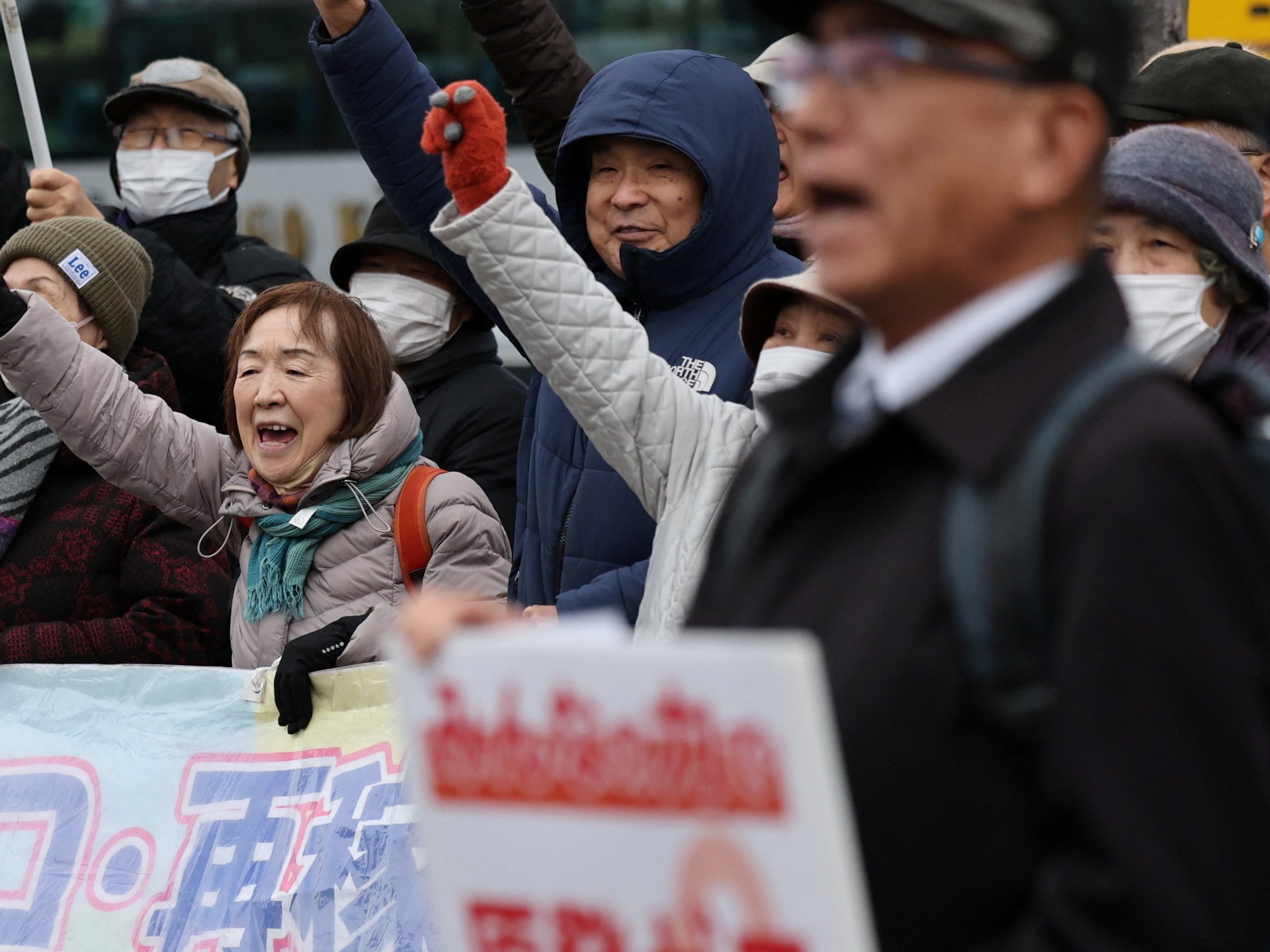
About 300 protesters rallied to oppose the vote, holding banners reading “No Nukes”, “We oppose the restart of Kashiwazaki-Kariwa” and “Support Fukushima”.
Farmer and antinuclear activist Ayako Oga, 52, joined the protests on Monday in her new home of Niigata, where she settled after fleeing the area around the Fukushima plant in 2011 with 160,000 other evacuees. Her old home was within the 20km (12-mile) radius irradiated exclusion zone.
“We know firsthand the risk of a nuclear accident and cannot dismiss it,” said Oga, adding that she still struggles with post-traumatic stress disorder-like symptoms.
Takaichi, who took office two months ago, has backed nuclear restarts to strengthen energy security and reduce reliance on imported fossil fuels, which also contribute to climate change.
Japan spent 10.7 trillion yen ($68bn) last year on imported liquefied natural gas and coal, one-10th of its total import costs.
Related News

‘Alarming’ medicine shortages in Gaza amid Israeli restrictions

Thousands protest in Slovakia against Fico government’s judicial reforms

Bulgarian government resigns after mass protests