
A rapidly intensifying El Niño weather pattern is threatening to bring severe flooding, disease and drought to some of the world’s most vulnerable communities across East Africa and Asia, a humanitarian organisation has warned.
On Monday, the International Rescue Committee (IRC) said Kenya, Uganda, Somalia, Bangladesh, Pakistan and Afghanistan were among the countries most at risk, some of which have already been struggling with ongoing humanitarian emergencies.
- list 1 of 2World’s oceans experience hottest June ever, scientists say more heat ahead
- list 2 of 2UN warns likelihood of ‘extreme weather events’ as El Nino set to intensify
end of list
“We’re watching several emergencies converge at once, and the places least equipped to absorb another shock are the ones in the crosshairs,” Bob Kitchen, a senior official for emergencies at the IRC, said.
The US Climate Prediction Center said on July 9 that El Niño is strengthening rapidly, with an 81 percent chance of becoming one of the most powerful events since 1950, likely peaking between October and December.
The UN’s weather agency, the World Meteorological Organization (WMO), said in early July that El Niño conditions had already developed and were forecast to strengthen rapidly between July and September.
Climate scientist Daniel Swain said on his YouTube channel that ocean temperatures in the equatorial Pacific are already at record levels for this point in the year, calling it “an enormous story of huge consequence for the world”.
Communities in El Niño’s path are already exhausted by drought, conflict and shrinking aid budgets, leaving little capacity to absorb another shock.
El Niño is a natural shift in Pacific Ocean temperatures that recurs every two to seven years, as the trade winds that normally push warm water westward weaken and the heat spreads back across the ocean.
Advertisement
The effects ripple worldwide, often bringing heavier rain to some regions while reducing it in others. In East Africa, the pattern typically means a drier midyear followed by a wetter October to December, an effect forecasters say will be sharpened this year by a related warming pattern in the Indian Ocean.
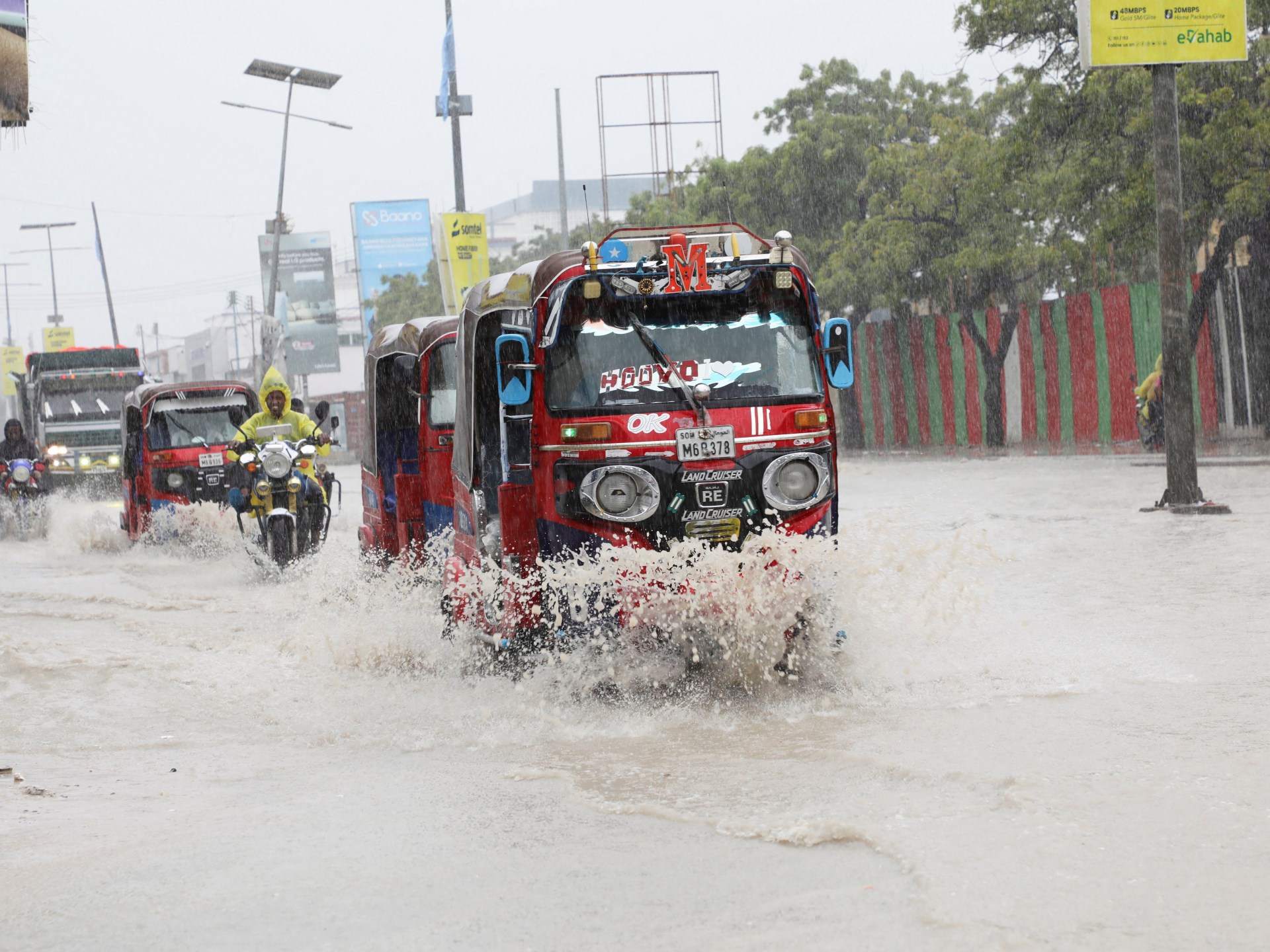
In Somalia, heavy rains have already repeatedly flooded parts of the capital, Mogadishu, this year.
The US-funded early warning body FEWS NET has assessed a credible risk of famine in southern regions if flooding later this year matches 1997 or 2023, when the same El Niño-Indian Ocean combination submerged farmland and displaced hundreds of thousands of people.
Kenya’s weather service has confirmed an 80-82 percent likelihood that El Niño will persist through the year and has activated its national disaster plan ahead of heavier October-December rains, following a drier midyear.
In Bangladesh, at least 15 Rohingya refugees have been killed and more than 10,000 displaced by landslides and flooding in the Cox’s Bazar camps since early July.
Pakistan faces a similar split between drought and flood, with below-average rainfall expected more broadly, even as its northern mountains risk sudden glacier-melt floods.
The World Bank has warned that if El Niño fully develops, rice yields could fall by a fifth to a half across the hardest-hit parts of South Asia and East Africa, where the staple underpins food security for hundreds of millions of people.
This is likely to exacerbate food shortages and affordability pressures, particularly as the US-Israel war on Iran and Tehran’s retaliatory strikes appear to be escalating once again around the Strait of Hormuz, a critical chokepoint for global energy and fertiliser supplies.
Fertiliser costs have already climbed sharply this year.
Aid groups, including the International Rescue Committee, are urging donors to fund preventive measures now rather than wait for disaster to strike.
Related News

Sheikh Hasina vows to return, but will Bangladesh accept fugitive ex-PM?

New Mexico court orders Meta to pay $567m over harm to youths

Indian student protests: What’s next after Modi’s promise on exam leaks?