Who is Brian Cole, arrested for planting pipe bombs in Washington in 2021?
 05 December 2025
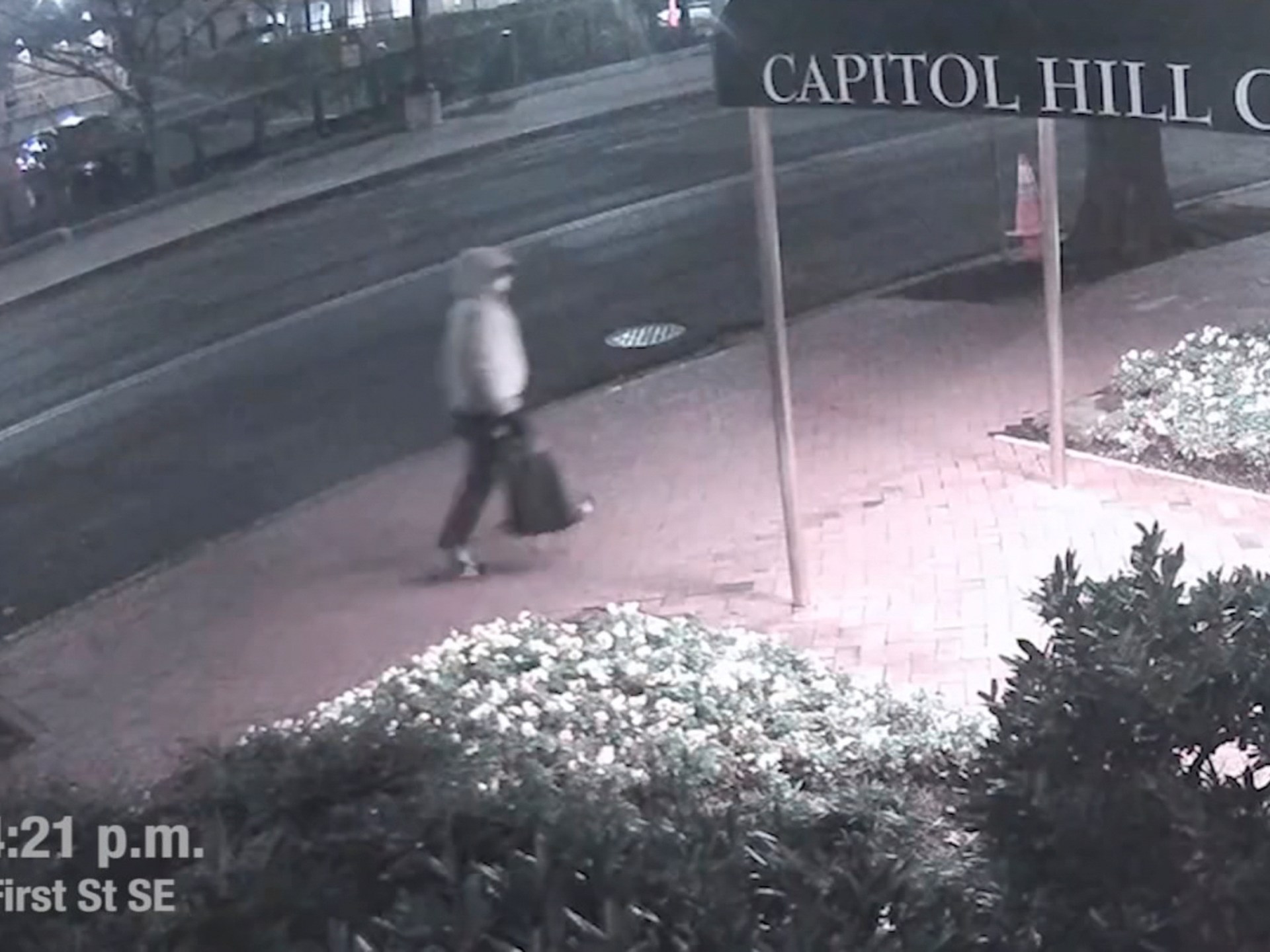

Brian Cole, a 30-year-old man from Virginia, the United States, has been arrested for planting two pipe bombs in Washington, DC, during the Capitol riots on January 6, 2021, the US Justice Department said on Thursday morning.
Here is what we know about Cole and his arrest.
Who is Brian Cole?
Cole is a resident of Woodbridge in Virginia’s Prince William County, according to the Justice Department.
Prince William County is about 36 miles west of Washington, DC.
According to an FBI affidavit filed on December 3, Cole works in the office of a bail bondsman in northern Virginia. A bail bondsman – also known as a bond agent – is an individual or company who provides a financial guarantee to a court that a defendant will appear at all required court hearings after being released from jail.
Cole lives in a single-family household in Woodbridge with his mother and “other family members”. He is described as being 5 feet 6 inches tall (168cm) and wearing corrective eyeglasses.
What is Cole charged with?
Cole is charged with transporting improvised explosive devices (IEDs) in interstate commerce – referring to transferring goods from one state to another – with the intent to kill, injure, or intimidate any individual or unlawfully to damage or destroy any building, vehicle, or other real or personal property.
Additionally, Cole is charged with attempted malicious destruction by means of fire and explosive materials.
What is a pipe bomb?
Pipe bombs are a type of IED – any homemade or non-standard bomb constructed and deployed outside of conventional military production.
Advertisement
Typically, a plastic, polyvinyl chloride (PVC) pipe, sealed at each end with a cap or plug, is packed with an explosive substance – usually a powder or chemical. Pipe bombs are generally equipped with a fuse, timer or remote trigger.
What is Cole alleged to have done?
At about 1pm (18:00 GMT) on January 6, 2021, US law enforcement agencies were alerted to a suspected IED having been placed in the vicinity of the Republican National Committee (RNC) headquarters in Washington, DC.
About 15 minutes later, a second IED was reported close to the Democratic National Committee (DNC) in Washington, DC, a few blocks away from the RNC.
According to the affidavit, both IEDs were pipe bombs made from 1‑inch by 8‑inch (2.5-20cm) pipes with end caps, containing red and black 14‑gauge electrical wires connected by alligator clips to a nine‑volt battery and battery connector, a white kitchen timer, paper clips, steel wool and homemade black powder.
The RNC and DNC are nationwide party organisations that fundraise for their respective political parties across state lines.
Members of the Hazardous Devices Section of the United States Capitol Police (USCP) deactivated both bombs before they exploded.
Do we know Cole’s motive?
No. Authorities have not yet revealed the motive behind Cole’s actions.
How was Cole identified?
Surveillance footage from the streets in the area showed that both bombs were placed by the same individual who was wearing a mask to obscure his face. He has now been identified as Cole.
From the video footage, the FBI deduced in January 2021 that the suspect was about 5 feet, 7 inches (170cm) tall.
In March 2021, the FBI released the surveillance footage online and offered a $500,000 reward for information about the suspect. The agency received thousands of tips in the years that followed.
The FBI said it received thousands of tips about him in the years-long investigation.
The FBI then matched Cole’s cellphone records to cell towers in the Capitol Hill area at about the time the bombs were planted. Additionally, they linked him to purchases of bomb components through bank and credit card information from 2019 and 2020, showing where he had made these purchases.
“We do not forget, we do not give up, and we do not relent. Though it had been nearly five years, our team continued to churn through massive amounts of data and tips that we used to identify this suspect,” said Darren Cox, a deputy assistant director in the FBI.
What happened on January 6, 2021?
On January 6, 2021, thousands of people descended on the US Capitol in an effort to stop the certification of the 2020 election results. They were spurred on by false claims that the previous November’s presidential election, which was won by Democrat Joe Biden, had been “rigged” against Republican incumbent Donald Trump.
Advertisement
More than 2,000 rioters broke into the Capitol building, forced their way inside, invaded congressional offices, smashed windows, damaged furniture and equipment and stole items.
Several people, including police officers, were injured in the violence, and at least five people died.
Thousands of people were arrested, and more than 950 people were charged with federal crimes relating to the riot, with some facing accusations of seditious conspiracy – a rare but serious offence.
Hundreds of people received prison sentences – most between three and seven years.
However, some who were affiliated with far-right extremist groups received longer sentences of between 15 and 22 years in federal prison.
In January 2025, shortly after he began his second term as president, Trump signed a presidential proclamation pardoning or commuting sentences for 1,500 defendants.
He said at the time: “These people have been destroyed. What they’ve done to these people is outrageous. There’s rarely been anything like it in the history of our country.”
What happens next?
Attorney General Pam Bondi said that the investigation into Cole’s role in the January 6 riots is continuing and further charges may be filed.
Local media have reported that he will appear in federal court in Washington, DC, later this week for a hearing.
If convicted, the charges he faces could carry a sentence of up to 20 years in prison – the maximum sentence for IED offences.
Related News

Ex-EU top diplomat Mogherini detained in Belgium fraud case: Reports

Trump administration moves to roll back limits on deadly soot pollution
Trump’s 28-point Ukraine plan in full: What it means, could it work?